“The Forbidden Tree: Feng Shui’s Perspective on Front Yard Planting”

Introduction: In the realm of feng shui, an ancient Chinese practice that focuses on harmonizing energy in our surroundings, every aspect of our environment is believed to have an impact on our well-being. One particular aspect that draws attention is the selection and placement of trees in our front yards. According to feng shui principles, there are certain trees that are considered inappropriate for planting in front of our homes. In this article, we will explore the reasons behind these forbidden trees and the potential consequences they may bring.

  1. The Negative Energy Myth: Feng shui experts caution against planting certain types of trees in front of our homes due to their perceived negative energy. These trees are believed to emit harmful vibrations that can disrupt the flow of positive energy and impact the residents’ luck, health, and prosperity. However, it’s important to note that these beliefs are based on ancient traditions and are subject to personal interpretations and cultural variations.
  2. The Sha Qi Factor: One reason certain trees are discouraged from being planted in front yards is the concept of “Sha Qi” or negative energy. Trees with thorny branches, sharp leaves, or aggressive growth patterns are thought to produce Sha Qi, which can create a hostile or imbalanced environment. Such trees may introduce tension, conflict, or stagnant energy into the home, hindering the harmonious flow of positive energy.
  3. Tree Types to Avoid: In feng shui practice, specific tree species are generally discouraged from being planted in front of our homes. These include trees like the weeping willow, cypress, and poplar. The weeping willow’s drooping branches are associated with sadness and may bring a melancholic atmosphere to the household. Cypress trees, though admired for their elegance, are believed to possess a draining energy that can negatively affect the occupants’ vitality. Poplar trees, on the other hand, are known for their rapid growth and extensive root system, which some believe can disrupt the stability of the house’s foundation.
  4. The Remedy: To counteract the potential negative effects of inappropriate trees, feng shui offers alternative planting suggestions. Trees like the peach, plum, or cherry are considered auspicious and can bring positive energy to the home. These trees are associated with abundance, beauty, and new beginnings. Additionally, incorporating vibrant flowers and well-maintained greenery in the front yard is believed to enhance positive energy flow and promote a harmonious environment.

Conclusion: While feng shui provides guidelines on the selection and placement of trees in front of our homes, it’s important to remember that these principles are not universally agreed upon. Different cultures and individuals may have their own interpretations and beliefs. Ultimately, the decision to plant a tree in front of our homes should consider a variety of factors, including personal preferences, climate, local regulations, and the overall aesthetics of the surroundings. Whether we follow feng shui principles or not, creating a balanced and pleasing environment is essential for our well-being.
What Is Gyroscope

Gyroscopes are fascinating devices that have been used in a variety of applications for more than a century. From navigation systems in airplanes to stabilizing devices in smartphones, gyroscopes have become an integral part of modern technology. In this article, we will explore the science behind gyroscopes, their history, how they work, and their applications in different fields.

History of Gyroscopes

The concept of gyroscopes was first introduced by French physicist Léon Foucault in 1852. He developed the first practical gyroscope, which consisted of a spinning disc mounted on a frame. When the frame was rotated, the disc maintained its orientation in space, allowing it to serve as a reference point for measuring rotation.

In the following years, gyroscopes were used for various purposes. They were initially used as scientific instruments to measure the Earth’s rotation, but soon found their way into navigation systems for ships and airplanes. During World War II, gyroscopes were used in bomb sights and missile guidance systems, which greatly improved their accuracy.

How Gyroscopes Work

Gyroscopes work based on the principles of angular momentum and the conservation of angular momentum. Angular momentum is a property of rotating objects and is equal to the product of the moment of inertia and the angular velocity of an object. The moment of inertia is a measure of an object’s resistance to rotation.

In a gyroscope, a spinning rotor is mounted on an axis that allows it to rotate freely in any direction. When the rotor is spun, it generates a large amount of angular momentum, which causes it to resist changes in its orientation. This property allows the gyroscope to maintain its orientation in space, even when the axis on which it is mounted is moved.

Gyroscopes can be classified into two main types: mechanical gyroscopes and optical gyroscopes. Mechanical gyroscopes are the most common type and consist of a spinning rotor and a frame. The rotor is mounted on a set of gimbals, which allows it to remain stable and maintain its orientation in space.

Optical gyroscopes, on the other hand, use light to measure changes in orientation. They consist of a laser and a ring-shaped optical cavity. When the cavity is rotated, the speed of light traveling in the cavity changes, allowing the gyroscope to measure the rotation.

Applications of Gyroscopes

Gyroscopes have numerous applications in various fields, including navigation, aerospace, and consumer electronics.

Navigation: Gyroscopes are used in navigation systems to measure changes in orientation and to maintain the correct course. They are used in aircraft, ships, and even in cars to provide accurate and reliable navigation.

Aerospace: Gyroscopes are used in aerospace applications to stabilize satellites and spacecraft. They are also used in rocket guidance systems to ensure that the rocket follows the correct trajectory.

Consumer electronics: Gyroscopes are commonly used in smartphones and tablets to detect changes in orientation and to adjust the screen accordingly. They are also used in virtual reality systems to track the movement of the user’s head.

Conclusion

Gyroscopes are remarkable devices that have been used in various applications for more than a century. They are based on the principles of angular momentum and the conservation of angular momentum and can be classified into mechanical and optical types. Gyroscopes have numerous applications in various fields, including navigation, aerospace, and consumer electronics. They have greatly improved the accuracy and reliability of many technologies and will continue to play an important role in future innovations.

How to Gain Weight with Cucumber and Dates

Gaining weight can be just as challenging as losing weight, especially for those with a fast metabolism or a small appetite. While many people turn to fatty and sugary foods to increase their calorie intake, it’s important to remember that gaining weight in a healthy way is crucial for your overall well-being. One way to gain weight is through the consumption of nutrient-dense foods, and two such foods are cucumber and dates. In this article, we will explore the benefits of cucumber and dates for weight gain, and provide tips on how to incorporate them into your diet.

The Benefits of Cucumber for Weight Gain

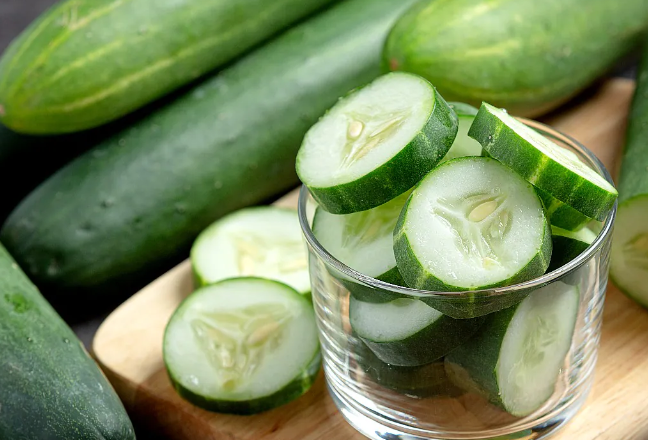
Cucumber is a low-calorie vegetable that is often associated with weight loss. However, cucumbers are also rich in nutrients that can support healthy weight gain. For starters, cucumbers are a good source of fiber, which can promote feelings of fullness and prevent overeating. Cucumbers also contain vitamins and minerals that are essential for a healthy body, including vitamin K, vitamin C, and potassium.

In addition to being nutrient-dense, cucumbers can also help to reduce inflammation in the body. Chronic inflammation can contribute to a number of health problems, including weight gain, so consuming anti-inflammatory foods like cucumbers can be beneficial. Cucumbers also contain antioxidants that can protect the body from damage caused by free radicals.

The Benefits of Dates for Weight Gain

Dates are a sweet fruit that is often used as a natural sweetener in recipes. Like cucumbers, dates are also nutrient-dense and can support healthy weight gain. Dates are an excellent source of carbohydrates, which are the body’s main source of energy. Consuming carbohydrates can help to increase calorie intake, which is important for weight gain.

Dates are also rich in fiber, which can promote feelings of fullness and prevent overeating. In addition to fiber, dates contain a range of vitamins and minerals that are essential for a healthy body, including potassium, magnesium, and vitamin B6. Dates are also a good source of antioxidants, which can protect the body from damage caused by free radicals.

How to Incorporate Cucumber and Dates into Your Diet

Now that we’ve explored the benefits of cucumber and dates for weight gain, let’s discuss how to incorporate them into your diet.

Cucumber

  • Add cucumber to your salads. Cucumber adds a refreshing crunch to salads and can help to increase the nutrient density of your meal.
  • Make cucumber sandwiches. Spread cream cheese or hummus on a slice of bread and top with cucumber slices for a quick and easy snack.
  • Blend cucumber into smoothies. Cucumber has a mild flavor that pairs well with a variety of fruits and vegetables. Try blending cucumber with banana, spinach, and almond milk for a nutrient-dense smoothie.

Dates

  • Eat dates as a snack. Dates are naturally sweet and can be eaten on their own as a quick snack.
  • Use dates as a natural sweetener. Dates can be blended into smoothies, used in baking, or added to oatmeal for a natural sweetener.
  • Make date energy balls. Blend dates with nuts, seeds, and other ingredients to make energy balls that can be eaten as a snack or as a pre-workout boost.

Tips for Healthy Weight Gain

While incorporating cucumber and dates into your diet can support healthy weight gain, there are a few additional tips to keep in mind:

  • Focus on nutrient-dense foods. Rather than consuming empty calories from sugary and fatty foods, focus on consuming foods that are rich in nutrients.
  • Increase calorie intake gradually. It’s important to increase calorie intake slowly and steadily to avoid overeating or digestive discomfort.
  • Incorporate strength training into your exercise routine. Strength training can help to build muscle

Papaya Soap Recipe: An All-Natural Solution for Clearer Skin

Papaya is known for its skin-loving properties, making it a popular ingredient in many skincare products. Papaya contains an enzyme called papain, which helps to exfoliate the skin, brighten the complexion, and reduce the appearance of dark spots and blemishes. Making your own papaya soap at home is an easy and affordable way to enjoy the benefits of this tropical fruit. In this article, we will guide you through a simple papaya soap recipe that you can easily make at home.

Ingredients

  • 2 cups of soap base (melt and pour soap base)
  • 1/4 cup of papaya puree
  • 1 tablespoon of papaya fragrance oil
  • 1 teaspoon of turmeric powder
  • 1 teaspoon of vitamin E oil
  • 1 tablespoon of honey

Tools

  • A microwave-safe bowl
  • A soap mold
  • A silicone spatula
  • A microwave oven
  • A knife

Instructions

  1. Cut the soap base into small cubes and place them in a microwave-safe bowl.
  2. Microwave the soap base for 30 seconds and stir it with a silicone spatula.
  3. Repeat the process until the soap base is melted and smooth.
  4. Add 1/4 cup of papaya puree, 1 tablespoon of papaya fragrance oil, 1 teaspoon of turmeric powder, 1 teaspoon of vitamin E oil, and 1 tablespoon of honey to the melted soap base.
  5. Mix all the ingredients well using a silicone spatula.
  6. Pour the mixture into a soap mold and tap the mold gently to remove any air bubbles.
  7. Allow the soap to cool and solidify for 2-3 hours.
  8. Once the soap is firm, remove it from the mold and cut it into desired sizes using a knife.
  9. Store the soap in an airtight container or wrap it in plastic wrap to prevent moisture.

Tips for Best Results

  1. Choose a good-quality soap base that is free from harsh chemicals and additives.
  2. Use fresh and ripe papaya to make the puree.
  3. If you cannot find papaya fragrance oil, you can substitute it with any other tropical fragrance oil, such as coconut or pineapple.
  4. Turmeric powder helps to brighten the skin and reduce inflammation. If you do not have turmeric powder, you can skip this ingredient.
  5. Vitamin E oil helps to nourish and moisturize the skin. You can also substitute it with any other carrier oil, such as almond oil or jojoba oil.
  6. Honey is a natural humectant that helps to retain moisture in the skin. If you have dry skin, you can add more honey to the soap mixture.
  7. You can customize the soap recipe by adding other ingredients, such as oatmeal, coconut milk, or essential oils.
  8. Always use a soap mold that is made of silicone or plastic, as it is easier to remove the soap from the mold.
  9. Do not overheat the soap base, as it can affect the quality and texture of the soap.
  10. Always store the soap in a cool and dry place away from direct sunlight.

Conclusion

Making your own papaya soap at home is a fun and creative way to pamper your skin. With this easy papaya soap recipe, you can enjoy the benefits of papaya and other natural ingredients to achieve clearer, brighter, and healthier-looking skin. Give it a try, and you will be surprised by the results!

Natural Skin Whitening with Flour: An In-Depth Guide

Skin whitening has been a popular trend for centuries, especially in Asian countries. Many people have been using various skin whitening products to achieve a lighter complexion. However, most commercial skin whitening products contain harsh chemicals that can damage the skin in the long run. In this article, we will introduce an all-natural and affordable skin whitening remedy that you can easily make at home using flour.

What is Flour?

Flour is a fine powder made by grinding various grains, such as wheat, rice, corn, and oats. Flour is a common ingredient in many food recipes, but it also has various other uses, such as in baking, cosmetics, and household cleaning.

How does Flour Whiten the Skin?

Flour contains enzymes that help to remove dead skin cells and impurities, making the skin brighter and smoother. It also has a mild exfoliating effect that helps to reduce the appearance of dark spots, blemishes, and pigmentation. The high starch content in flour acts as a natural absorbent, which helps to absorb excess oil and sebum from the skin, making it look fresher and less greasy.

Types of Flour for Skin Whitening

There are several types of flour that you can use for skin whitening. Each type has its unique properties that make it suitable for different skin types and conditions.

  1. Rice Flour

Rice flour is a popular choice for skin whitening because of its gentle and soothing properties. It is rich in antioxidants that help to protect the skin from damage caused by free radicals. Rice flour also has a high vitamin B content that helps to improve skin texture and reduce pigmentation.

  1. Chickpea Flour

Chickpea flour, also known as gram flour, is another excellent choice for skin whitening. It is rich in vitamins and minerals that help to nourish the skin and promote healthy cell growth. Chickpea flour also has astringent properties that help to tighten the pores and reduce oiliness.

  1. Wheat Flour

Wheat flour is a common household ingredient that you can use for skin whitening. It is rich in vitamin E, which helps to protect the skin from damage caused by UV radiation. Wheat flour also has a mild exfoliating effect that helps to remove dead skin cells and brighten the skin.

How to Make a Flour-Based Skin Whitening Remedy

Making a flour-based skin whitening remedy is easy and straightforward. All you need is a few basic ingredients that you can find in your kitchen.

Ingredients:

  • 1 tablespoon of flour (rice flour, chickpea flour, or wheat flour)
  • 1 tablespoon of honey
  • 1 tablespoon of lemon juice
  • 1 tablespoon of milk

Instructions:

  1. In a small bowl, mix one tablespoon of flour with one tablespoon of honey until it forms a smooth paste.
  2. Add one tablespoon of lemon juice and one tablespoon of milk to the mixture and stir well.
  3. Apply the paste evenly on your face and leave it on for 15-20 minutes.
  4. Rinse off the paste with lukewarm water and pat your face dry with a clean towel.
  5. Repeat this process twice a week for best results.

Tips for Best Results

  1. Test the mixture on a small patch of skin before applying it to your face to make sure that you are not allergic to any of the ingredients.
  2. Do not leave the mixture on your face for more than 20 minutes, as it can dry out your skin.
  3. Always moisturize your skin after using the mixture, as it can make your skin feel dry.
  4. Do not use the mixture if you have open wounds or sensitive skin.
  5. Always wear sunscreen when going

Rainwater Harvesting: The Benefits of Rainwater in Our Lives

Water is one of the most important resources that sustain life on earth. Without water, it would be impossible for us to survive. Water is used for various purposes such as drinking, cooking, washing, irrigation, and many more. However, due to the increasing population, climate change, and other factors, the demand for water is increasing, while the supply is decreasing. This is where rainwater harvesting comes into play. In this article, we will discuss the benefits of rainwater and how it can be harvested for various purposes.

What is Rainwater Harvesting?

Rainwater harvesting is the process of collecting and storing rainwater for various uses such as drinking, irrigation, and domestic use. It is a sustainable practice that has been used for centuries in many parts of the world. Rainwater harvesting systems can be as simple as a barrel or as complex as a large-scale system that can collect and store millions of gallons of water. There are various types of rainwater harvesting systems such as rooftop collection, surface collection, and subsurface collection.

Benefits of Rainwater Harvesting

  1. Reduces Water Bills

One of the biggest benefits of rainwater harvesting is that it can reduce water bills. By collecting and using rainwater for various purposes such as irrigation and domestic use, you can save a significant amount of money on your water bills.

  1. Increases Water Supply

Rainwater harvesting can also increase the water supply in areas where water is scarce. By collecting and storing rainwater, you can use it during the dry season when water is not readily available.

  1. Reduces Soil Erosion

Rainwater harvesting can also help to reduce soil erosion. When rainwater is collected and stored, it reduces the amount of water that runs off the surface, which can cause soil erosion.

  1. Improves Water Quality

Rainwater harvesting can also improve the quality of water. Rainwater is generally free of pollutants and chemicals, making it suitable for various purposes such as drinking and cooking.

  1. Reduces Demand on Groundwater

Rainwater harvesting can also reduce the demand on groundwater. Groundwater is a finite resource, and excessive pumping can lead to depletion. By using rainwater, we can reduce the demand on groundwater, which can help to conserve this valuable resource.

  1. Supports Plant Growth

Rainwater harvesting can also support plant growth. Rainwater is naturally soft, which makes it easier for plants to absorb the nutrients they need to grow.

  1. Reduces Flood Risks

Rainwater harvesting can also help to reduce the risk of floods. By collecting and storing rainwater, it reduces the amount of water that runs off the surface, which can cause flooding.

  1. Helps to Conserve Energy

Rainwater harvesting can also help to conserve energy. By collecting and using rainwater, we reduce the demand for energy-intensive water treatment processes, such as pumping and filtering.

  1. Supports Sustainable Development

Rainwater harvesting is a sustainable practice that supports sustainable development. It reduces the demand on freshwater resources, reduces the carbon footprint, and supports local communities.

  1. Reduces Greenhouse Gas Emissions

Rainwater harvesting can also help to reduce greenhouse gas emissions. By reducing the demand for energy-intensive water treatment processes, we reduce the carbon footprint, which helps to mitigate climate change.

Conclusion

Rainwater harvesting is a sustainable practice that has numerous benefits. By collecting and using rainwater, we can reduce water bills, increase water supply, reduce soil erosion, improve water quality, reduce demand on groundwater, support plant growth, reduce flood risks, conserve energy, support sustainable development, and reduce greenhouse gas emissions. It is an important practice that can help us to conserve water resources and build a sustainable future.

Lemongrass Benefits

Lemongrass, also known as Serai in the Indonesian language, is a fragrant herb that is commonly used in Southeast Asian cuisine. It is also widely used in traditional medicine for its various health benefits. In this article, we will explore the many benefits of lemongrass and how it can improve your health and wellbeing.

  1. Relieves Pain and Inflammation

Lemongrass has anti-inflammatory properties that can help relieve pain and inflammation in the body. It contains compounds such as citral and geraniol, which have been shown to have analgesic effects. Drinking lemongrass tea or using lemongrass oil topically can help alleviate joint pain, muscle pain, and other types of inflammation.

  1. Boosts Immune System

Lemongrass contains compounds that can boost the immune system and help fight off infections. It has antibacterial, antifungal, and antiviral properties that can help prevent the growth of harmful microorganisms in the body. Drinking lemongrass tea or using lemongrass oil topically can help boost your immune system and protect against infections.

  1. Promotes Digestive Health

Lemongrass has digestive properties that can help promote healthy digestion. It can help relieve digestive problems such as bloating, constipation, and indigestion. Lemongrass contains compounds such as citral and limonene, which can help stimulate the production of digestive enzymes and improve the absorption of nutrients in the body.

  1. Reduces Stress and Anxiety

Lemongrass has calming properties that can help reduce stress and anxiety. It contains compounds such as citral and linalool, which have been shown to have a sedative effect on the nervous system. Drinking lemongrass tea or using lemongrass oil in aromatherapy can help promote relaxation and reduce stress and anxiety.

  1. Improves Skin Health

Lemongrass has skin-healing properties that can help improve the overall health and appearance of your skin. It can help reduce acne, blemishes, and other skin problems. Lemongrass contains compounds such as limonene and citral, which have antibacterial and antifungal properties that can help prevent skin infections.

  1. Lowers Cholesterol

Lemongrass can help lower cholesterol levels in the body. It contains compounds such as citral and myrcene, which have been shown to have cholesterol-lowering effects. Drinking lemongrass tea or using lemongrass oil in your cooking can help lower your cholesterol levels and reduce your risk of heart disease.

  1. Regulates Blood Sugar

Lemongrass can help regulate blood sugar levels in the body. It contains compounds such as citral and eugenol, which have been shown to have hypoglycemic effects. Drinking lemongrass tea or using lemongrass oil in your cooking can help regulate your blood sugar levels and reduce your risk of developing diabetes.

  1. Prevents Cancer

Lemongrass has anti-cancer properties that can help prevent the growth and spread of cancer cells in the body. It contains compounds such as citral and geraniol, which have been shown to have anti-cancer effects. Drinking lemongrass tea or using lemongrass oil in your cooking can help reduce your risk of developing cancer.

  1. Improves Respiratory Health

Lemongrass can help improve respiratory health by reducing congestion and inflammation in the airways. It contains compounds such as eucalyptol and limonene, which have been shown to have respiratory benefits. Drinking lemongrass tea or using lemongrass oil in aromatherapy can help improve your

What is Gout

Introduction

Gout, commonly known as “asam urat” in Indonesian language, is a form of arthritis that affects millions of people worldwide. It is characterized by sudden and severe attacks of joint pain, often accompanied by redness, swelling, and tenderness. Although gout is a painful and potentially debilitating condition, it is also highly manageable through lifestyle changes and medication. In this article, we will discuss the causes, symptoms, diagnosis, and treatment of gout, as well as some tips for managing the condition.

Causes of Gout

Gout is caused by a build-up of uric acid crystals in the joints and other tissues of the body. Uric acid is a waste product that is normally excreted from the body in urine. However, when the body produces too much uric acid or is unable to eliminate it efficiently, the excess uric acid can accumulate in the bloodstream and form crystals in the joints.

There are several factors that can contribute to the development of gout, including:

  1. Genetics: Gout has a strong genetic component, and people with a family history of the condition are more likely to develop it themselves.
  2. Diet: Certain foods and beverages can increase the levels of uric acid in the body, including red meat, shellfish, alcohol, and sugary drinks.
  3. Obesity: Excess body weight can increase the production of uric acid and make it more difficult for the body to eliminate it.
  4. Medications: Certain medications, such as diuretics, can interfere with the body’s ability to excrete uric acid, leading to a build-up of the substance.
  5. Medical conditions: Certain medical conditions, such as kidney disease and hypothyroidism, can increase the risk of gout.

Symptoms of Gout

The symptoms of gout can vary in severity and duration. The most common symptom is sudden and severe pain in the affected joint, which is often accompanied by redness, swelling, and tenderness. The pain usually comes on quickly, often at night, and can be so severe that even the weight of a bedsheet can cause discomfort.

Other symptoms of gout may include:

  1. Limited range of motion in the affected joint
  2. Tenderness or pain in the surrounding tissues
  3. Fever
  4. Chills
  5. Fatigue
  6. Kidney stones (in some cases)

Diagnosis of Gout

To diagnose gout, a doctor will typically perform a physical exam and review the patient’s medical history. They may also order blood tests to measure the levels of uric acid in the blood and take a sample of fluid from the affected joint to look for the presence of uric acid crystals.

In some cases, imaging tests, such as X-rays or ultrasounds, may be used to help confirm a diagnosis of gout.

Treatment of Gout

The treatment of gout typically involves a combination of medication and lifestyle changes. The goals of treatment are to relieve pain and inflammation, prevent future attacks, and reduce the risk of complications.

Medications that may be used to treat gout include:

  1. Nonsteroidal anti-inflammatory drugs (NSAIDs): These medications can help reduce pain and inflammation in the affected joint. Examples include ibuprofen and naproxen.
  2. Colchicine: This medication can be effective in reducing pain and inflammation during an acute attack of gout.
  3. Corticosteroids: These medications can be taken orally or injected directly into the affected joint to reduce inflammation.
  4. Urate-lowering therapy: These medications, such as allopurinol and febuxostat, are used to reduce the production of uric acid in the body and prevent future attacks of gout

The dangerous times for bathing.

Islamic teachings emphasize the importance of cleanliness and personal hygiene. As a result, Muslims are encouraged to take regular baths or showers. However, there are certain times when it is considered haram or prohibited to take a bath or shower.

According to Islamic teachings, there are three times when it is considered haram to take a bath or shower. These times are during the time of obligatory prayers (fardhu), at dawn (terbit fajar), and after sunset (maghrib). Let’s take a closer look at each of these times.

During the time of obligatory prayers, it is haram to take a bath or shower because this is the time when Muslims are expected to perform their prayers. Prayers are considered one of the most important acts of worship in Islam, and it is essential that they are performed in a state of ritual purity. Taking a bath or shower during this time is seen as a distraction from the obligation to pray.

At dawn, it is also haram to take a bath or shower. This is the time when the morning prayer (subuh) is performed, and it is necessary to be in a state of ritual purity before performing the prayer. Taking a bath or shower during this time is seen as a distraction from preparing oneself for the morning prayer.

After sunset, it is haram to take a bath or shower because this is the time when the evening prayer (maghrib) is performed. As with the other times, it is necessary to be in a state of ritual purity before performing the prayer. Taking a bath or shower during this time is seen as a distraction from preparing oneself for the evening prayer.

In addition to these three times, there are also other times when it is recommended to avoid taking a bath or shower, such as during an eclipse or when one is in a state of janabah (ritual impurity).

In conclusion, while personal hygiene is an important aspect of Islamic teachings, there are certain times when it is considered haram to take a bath or shower. These times are during the time of obligatory prayers, at dawn, and after sunset. Muslims are encouraged to be mindful of these times and to prioritize their obligations to prayer before performing any other acts of worship or hygiene

The Prohibited Times for Bathing

Introduction

Islam is a religion that has its own set of rules and regulations, one of which is the prohibition of taking a bath or shower at certain times. This is known as “Waktu Dilarang Mandi” or “Prohibited Times for Bathing” in Islam. Muslims around the world follow these rules in order to maintain their spiritual purity and fulfill their religious obligations. In this article, we will discuss the significance of these prohibited times, the reasons behind them, and how they are observed in Islam.

The Prohibited Times for Bathing

In Islam, there are five times when taking a bath or shower is strictly prohibited. These times are:

  1. During the time of Fajr (dawn) prayer until the sun rises.
  2. After the sun has passed its zenith until Asr (afternoon) prayer.
  3. During the time of Maghrib (sunset) prayer until the sun has completely set.
  4. After Isha (night) prayer until midnight.
  5. From midnight until Fajr (dawn) prayer.

These times are considered to be very important in Islam and Muslims are required to abstain from taking a bath or shower during these periods.

The Significance of Prohibited Times for Bathing in Islam

The prohibition of taking a bath or shower during certain times is based on the teachings of Islam. These times are considered to be sacred and have their own significance in the Islamic calendar. Muslims believe that these times are reserved for the performance of spiritual activities and that taking a bath or shower during these periods may distract them from their religious duties.

Additionally, Muslims believe that taking a bath or shower during these times may also be harmful to their health. For example, taking a bath or shower during the time of Fajr (dawn) prayer until the sun rises may cause one to catch a cold or fall sick due to the sudden change in temperature. Similarly, taking a bath or shower after Isha (night) prayer until midnight may cause one to have difficulty sleeping.

The Reasons Behind Prohibited Times for Bathing in Islam

The reasons behind the prohibition of taking a bath or shower during certain times in Islam are rooted in the teachings of the Quran and the Hadith. The Quran states, “O you who believe! Do not approach prayer while you are intoxicated until you know what you are saying, nor while you are impure, except when passing through a place of worship” (Surah Al-Nisa, Verse 43).

This verse indicates that Muslims are required to be in a state of purity when approaching prayer. Taking a bath or shower is one of the ways to achieve this state of purity. However, during the prohibited times, Muslims are required to maintain their state of purity by performing ablution (Wudu) instead.

The Hadith also provides further guidance on the prohibited times for bathing. According to a Hadith narrated by Abu Hurairah, the Prophet Muhammad (peace be upon him) said, “Do not perform ablution (Wudu) after the Asr prayer until you are in a state of impurity” (Sahih Bukhari, Book 4, Hadith 206).

This Hadith indicates that taking a bath or shower during the time between Asr prayer and Maghrib prayer is not allowed as it may cause one to become impure again.

How Prohibited Times for Bathing are Observed in Islam

Muslims around the world follow the rules and regulations set by Islam, including the prohibition of taking a bath or shower during certain times. During these periods, Muslims are required to perform ablution (Wudu) instead of taking a bath or shower. Ablution involves washing certain parts of the body, including the face, hands, arms, and feet.

Rancang situs seperti ini dengan WordPress.com
Mulai